"Sustainable" is doing an enormous amount of unpaid work on coffee packaging across the industry, and very little of it is ever explained. So here's what we mean by it, specifically, rather than leaving the word to do the work on its own.
It starts with the people, not just the soil
Environmental practice genuinely matters — how the land is farmed, water use during processing, shade-grown methods that protect biodiversity and reduce reliance on chemical inputs. But sustainability that stops at the environment and ignores the people growing the coffee is, at best, half the definition. A farm can tick every environmental box on a certification checklist and still systematically underpay and under-credit the women doing most of the physical work. For us, sustainable sourcing has to include fair recognition and fair value for producers as a non-negotiable part of the definition — not a separate, optional category called "social impact" that sits next to the "real" sustainability work.
Relationships that outlast a single harvest
Sourcing sustainably also means refusing to treat producers as interchangeable line items who can be swapped for whoever offers the cheapest price this season. Building relationships that extend across multiple harvests gives producers something a one-off transaction never can: the confidence to actually invest in their land, their equipment and their practices, rather than making short-term decisions driven by uncertainty about whether the same buyer will return next year.
Where waste actually happens, and it's not always where you'd expect
Sustainability also shows up in smaller, less glamorous decisions: packaging that doesn't outlive its usefulness by decades in landfill, capsule materials chosen with realistic disposal routes in mind, and coffee sold in quantities that actually get used rather than going stale and binned. A surprising amount of coffee's environmental footprint comes not from farming or packaging at all, but from coffee that's brewed and never drunk, or bags that go stale before they're finished. None of that gets fixed by better farming alone.
Why offices carry more weight in this conversation than they think
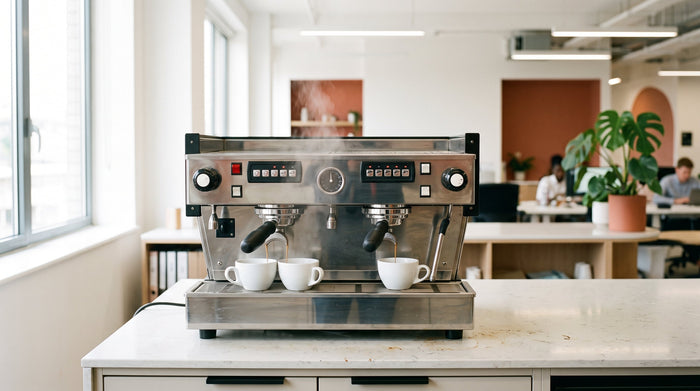
Workplace coffee decisions are usually made on price and convenience, full stop — sustainability rarely makes it into the conversation at all. But a single office making a sustainable sourcing decision multiplies that choice across every cup, every day, for every person in the building, for as long as the contract runs. That's a bigger lever than most facilities teams realise they're holding when they're comparing supplier quotes on a spreadsheet.
What we'd actually ask a coffee supplier, if we were buying instead of selling
Where does the coffee come from, specifically, not just "ethically sourced"? Who negotiates the price paid to producers, and is any of that visible? What happens to packaging and capsules after use, concretely, not aspirationally? Those three questions cut through most vague sustainability language faster than any certification badge.
Curious how this plays out in what we actually sell? Browse our coffee range or explore our Corporate Coffee Solutions.